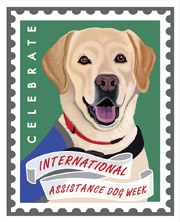
Celebrating Working Dogs, Service Dogs and Assistance Dogs
Working Like Dogs is about the different types of dogs that help people, the incredible work they perform and the endless ways they enhance and bring joy to our lives. Here you will find honest information you can trust:
- Explore our list of recommended books about working dogs, including Working Like Dogs: The Service Dog Guidebook
- Read educational articles on the Working Like Dogs Blog
- Listen to entertaining working dog stories and get expert advice on our podcast
- Discover the best products for working dogs and assistance dogs
- Download the free Where to Go App, a must have resource for traveling with your dog and finding airport pet relief areas
An Inspirational Working Dog Community
Connect with us to celebrate the bond we have with our devoted companions. Sign up to join our pack of more than 400,000 international dog lovers who turn to Working Like Dogs for the latest trends and information about working dogs, service dogs, and dog heroes.
Meet Marcie Davis
My name is Marcie Davis and I’m the founder of Working Like Dogs. My goal is to help people live more fully with their beloved canine partners. Read more about me, my work, and meet my adorable service dog, Lovey, and my handsome retired service dog, Whistle.